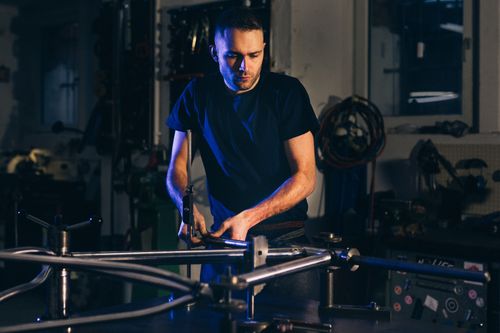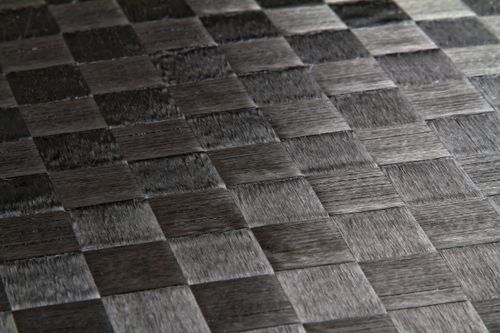
Castelli has been making cycling clothing since 1974, and if you've spent any real time in the pro peloton's slipstream (metaphorically, please don't actually draft the pros), you've seen that scorpion logo more times than you can count. The brand grew out of Italian racing culture and has quietly (or not so quietly) rewritten the rulebook on what cycling apparel is supposed to do. First Lycra shorts, early aero skinsuits, and of course the Gabba, the jersey that basically invented the "just wear it and don't think about the weather" category. If you've ever raced in the rain feeling smug about staying dry-ish, you can probably thank a piece of Castelli kit for that.
What's interesting is how much cycling clothing has quietly turned into performance tech. We used to think about jerseys and bibs mostly in terms of comfort and maybe not chafing too badly on a six hour ride. Now it's aero drag, core temperature regulation, storage for food and hydration, and fit tuned almost like a wetsuit. Turns out the biggest "free" performance gain left on the table for most of us isn't a new wheelset, it's what we're wearing. Marginal gains, sure, but they add up faster than my Strava segment excuses.
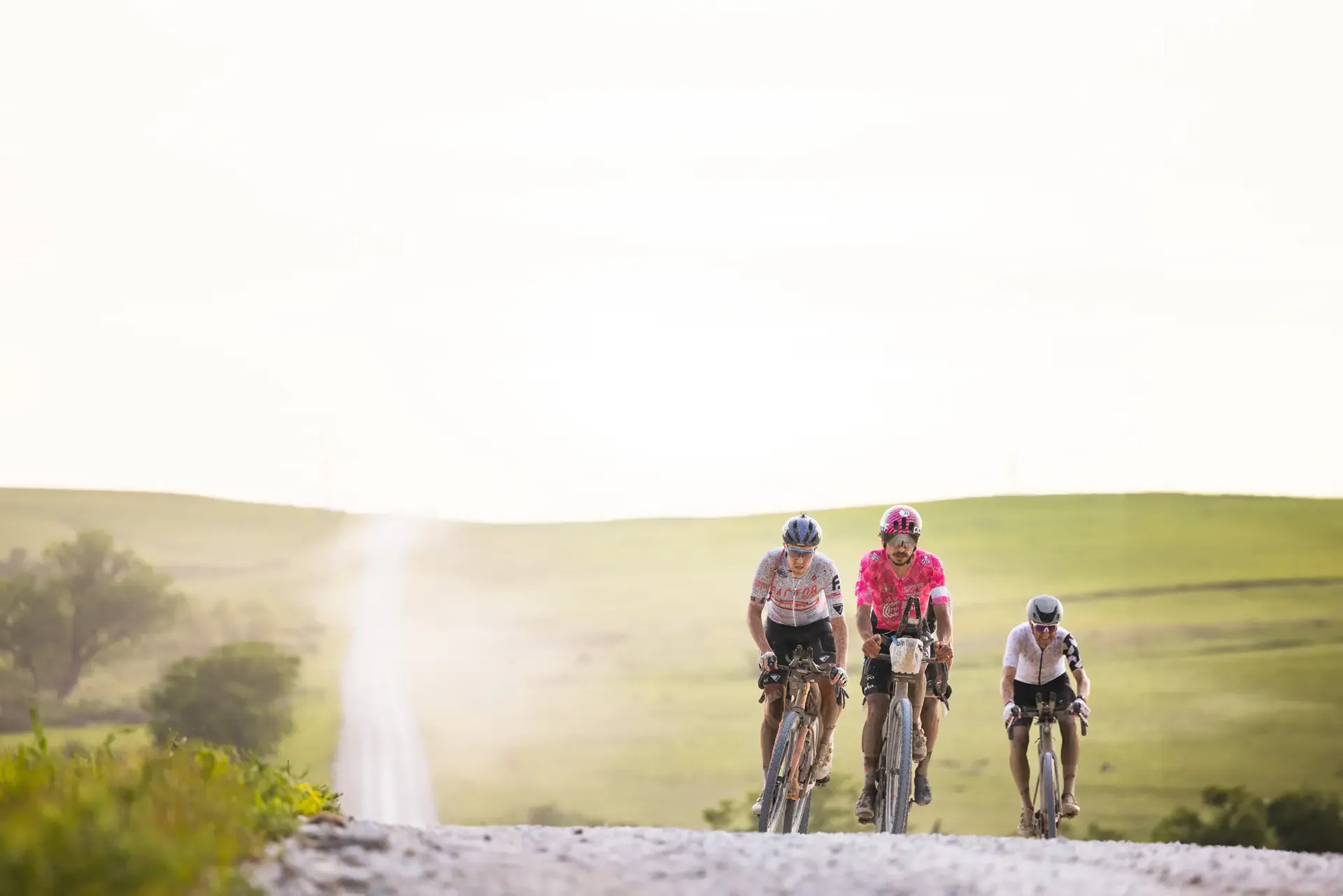
Gravel racing has accelerated this shift massively. What used to be adventure riding with some dirt and good vibes is now, at the sharp end, basically road racing with rocks. Speeds are up, fields are competitive, and riders are carrying more gear while trying to stay aero. That tension between "I need six hours of nutrition on my body" and "I don't want to look like I'm wearing a parachute" is exactly the kind of problem brands like Castelli love to nerd out on.
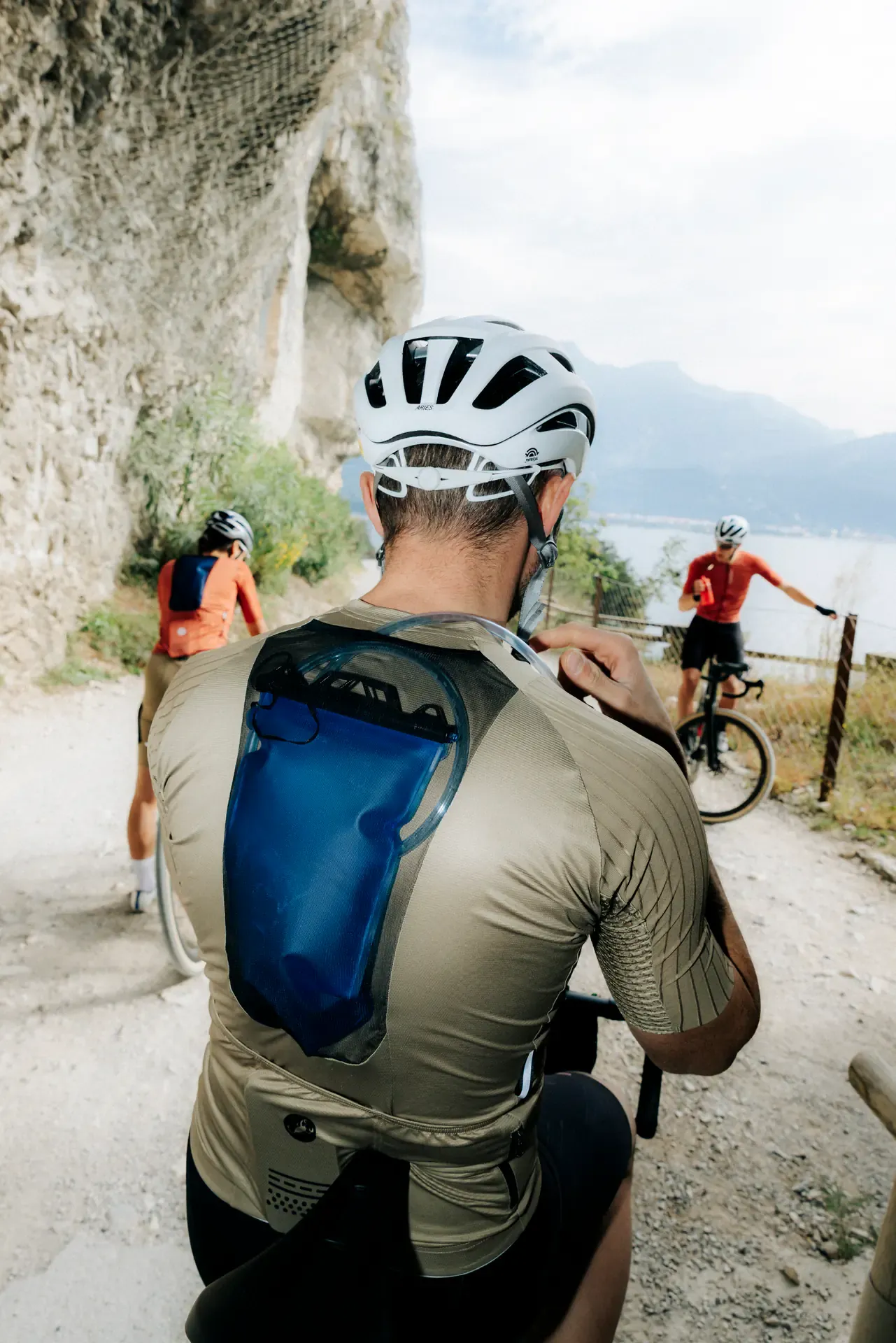
Which brings us to why I got in touch with Castelli in the first place. I spent weeks putting their Gravel SpeedSuit through its paces, their answer to modern gravel racing: a skinsuit built specifically for long, fast, self supported gravel efforts. Thigh pockets instead of side pockets for aero and stability, a hydration bladder compartment, a proper zipped pocket for the stuff you don't want bouncing out on rough terrain, and aero details borrowed straight from their road racing playbook. My in-depth review is coming soon, but before diving into my own findings I wanted to sit down with the person behind the thinking.
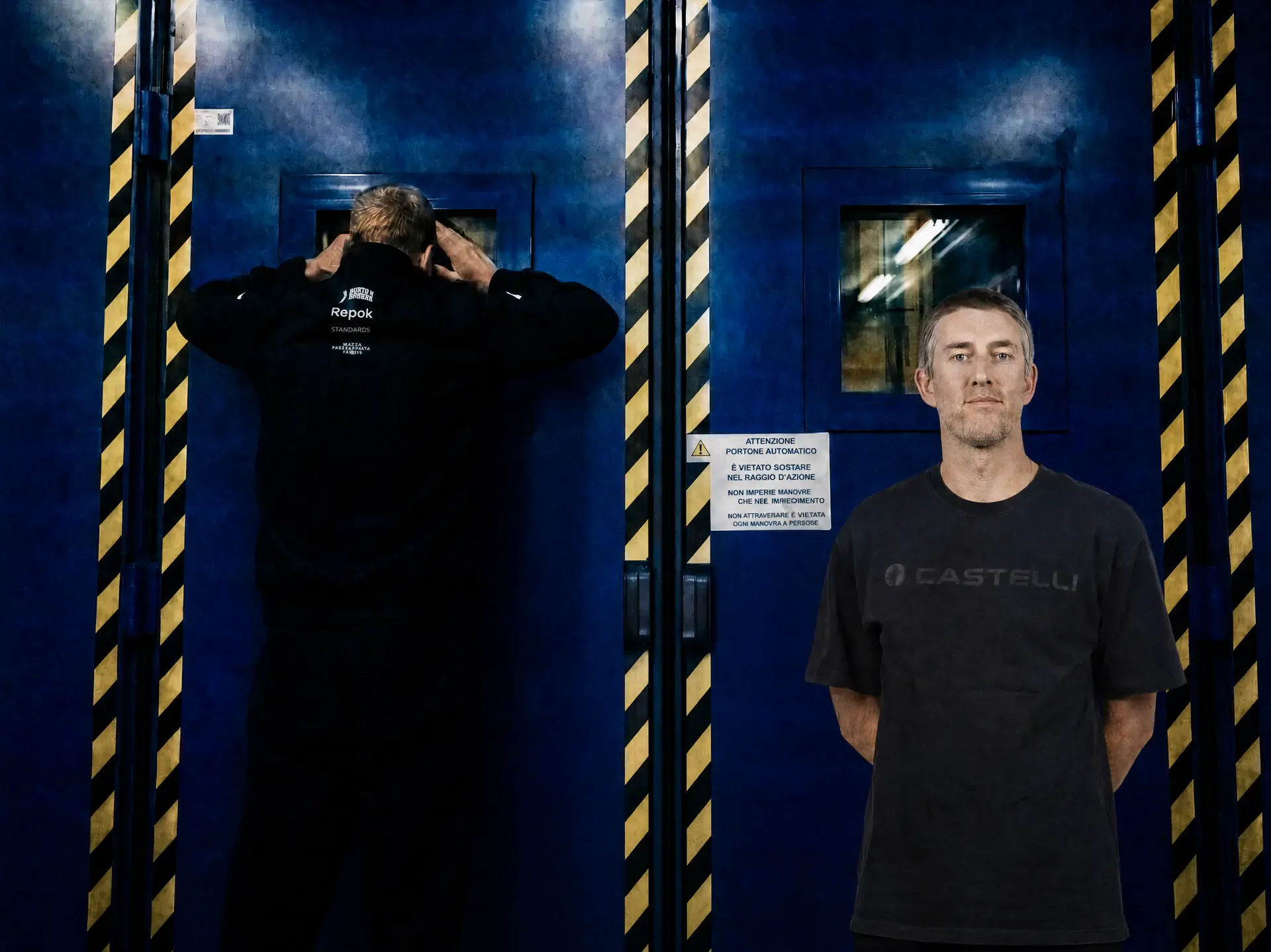
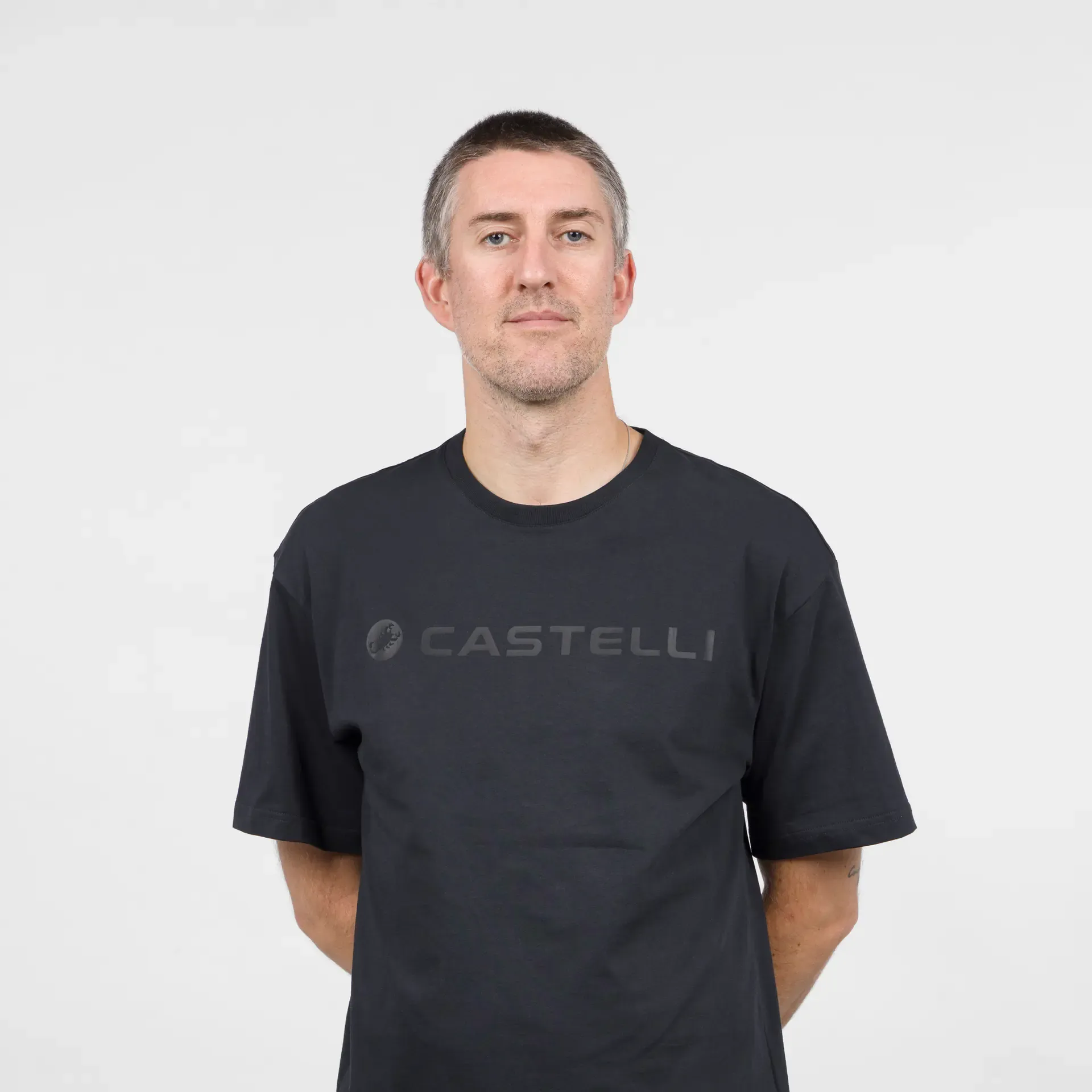
To get the full story, I spoke with Castelli's Product Line Manager Andrew Montgomery, known to most of the industry simply as Monty. He sits right at the intersection of design, athlete testing and "will this actually work at 40kph on gravel or just look fast standing still." Here's our chat about Castelli's history, the thinking behind the SpeedSuit, and where cycling clothing is headed next.
1. Introduction & Role
Could you briefly introduce yourself and your role within the Castelli product team?
I'm the Product Line Manager at Castelli, responsible for the direction of our apparel collection from concept through to production. My role sits between product, design and athlete testing, making sure every product we develop has a clear purpose and genuinely improves the riding experience.
A big part of the job is looking at where cycling is going next and ensuring Castelli continues to lead rather than follow.
2. Brand Identity & Heritage
It would be hard to find anyone in cycling who doesn't recognize the Castelli scorpion. In your own words: what is Castelli today? Where does the brand come from, and what still defines it at its core?
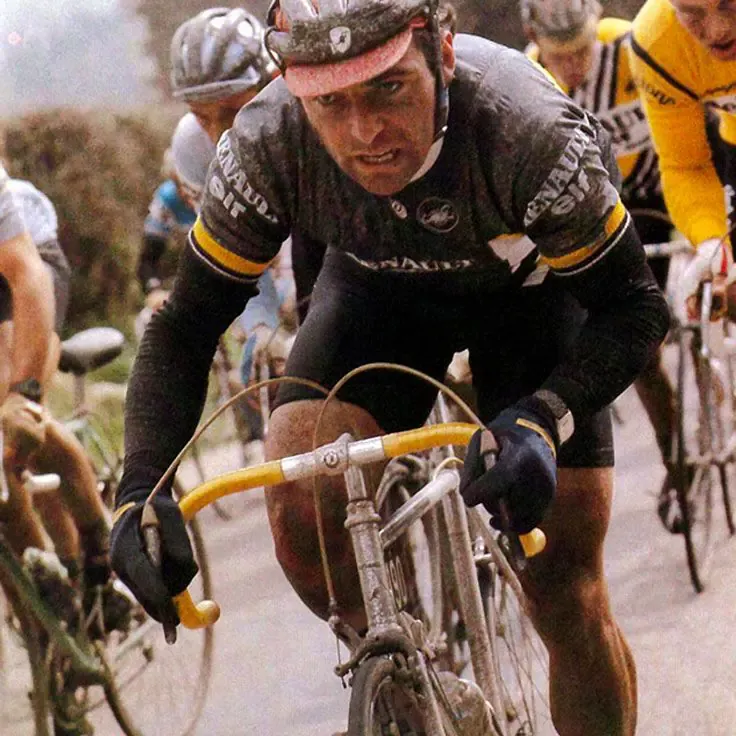
Castelli has always been a performance brand. If you look back through our history, almost every major innovation we've introduced has been about making riders faster, more comfortable or better protected. Whether it was the first Lycra shorts, aerodynamic clothing or the Gabba, the goal has never really changed.
Today, that's still what defines us. We don't develop products to follow trends. We develop products because we believe there's a better solution.
Castelli has such a long history in racing. How much does that heritage still shape the way you approach product development today?
Professional racing remains our laboratory. The demands of the world's best riders expose weaknesses faster than any product test ever could. If something works in the WorldTour, we know it has the potential to benefit every rider.
Racing is how we validate ideas today.
3. The Castelli Rider
Who is Castelli designing for today? Who is the Castelli rider or customer in your eyes? And has that changed over the course of the brand's long history?
The modern Castelli rider simply wants to get the most from every ride.
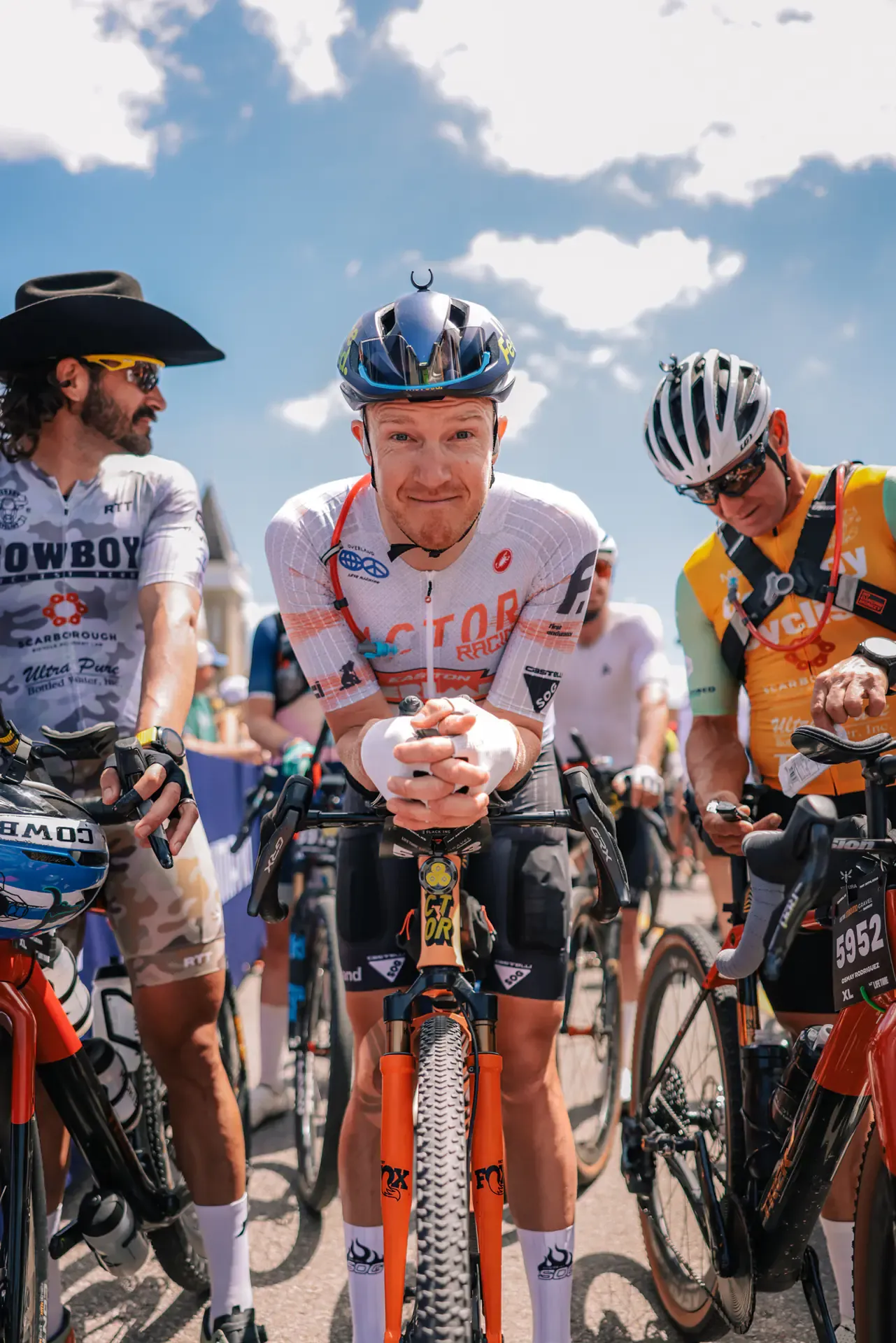
That might be a professional racing for a result, someone chasing a personal best on their local climb or someone riding a 200 km gravel event. They're different riders, but they all share the same mindset, which is that they care about performance.
That hasn't really changed throughout our history. The level may vary, but the mentality doesn't.
4. Product Culture & Development
Maurizio Castelli once said: "I would never have been able to revolutionize cyclist clothing if I hadn't competed on a bicycle. This is the only way to get to know the matter in depth." How much is that mindset still part of Castelli's product culture today?
You can't design great cycling clothing sitting behind a desk. Everyone involved in the product rides bikes. Living in the foothills of the Dolomites, many of us are cycling to work, I personally ride 90km a day, in minus temperatures, torrential rain, and then again in conditions approaching 40 degrees in the summer. That gives us an incredible testing environment right on our doorstep. At HQ we also have a garage full of staff bikes, and almost every lunchtime, no matter the weather, you'll see a group heading out to ride.
We test prototypes ourselves, we listen to our athletes, and we work closely with our manufacturing partners to keep refining products until they're genuinely better.
How do new product ideas typically emerge within the team?
Ideas can come from anywhere.
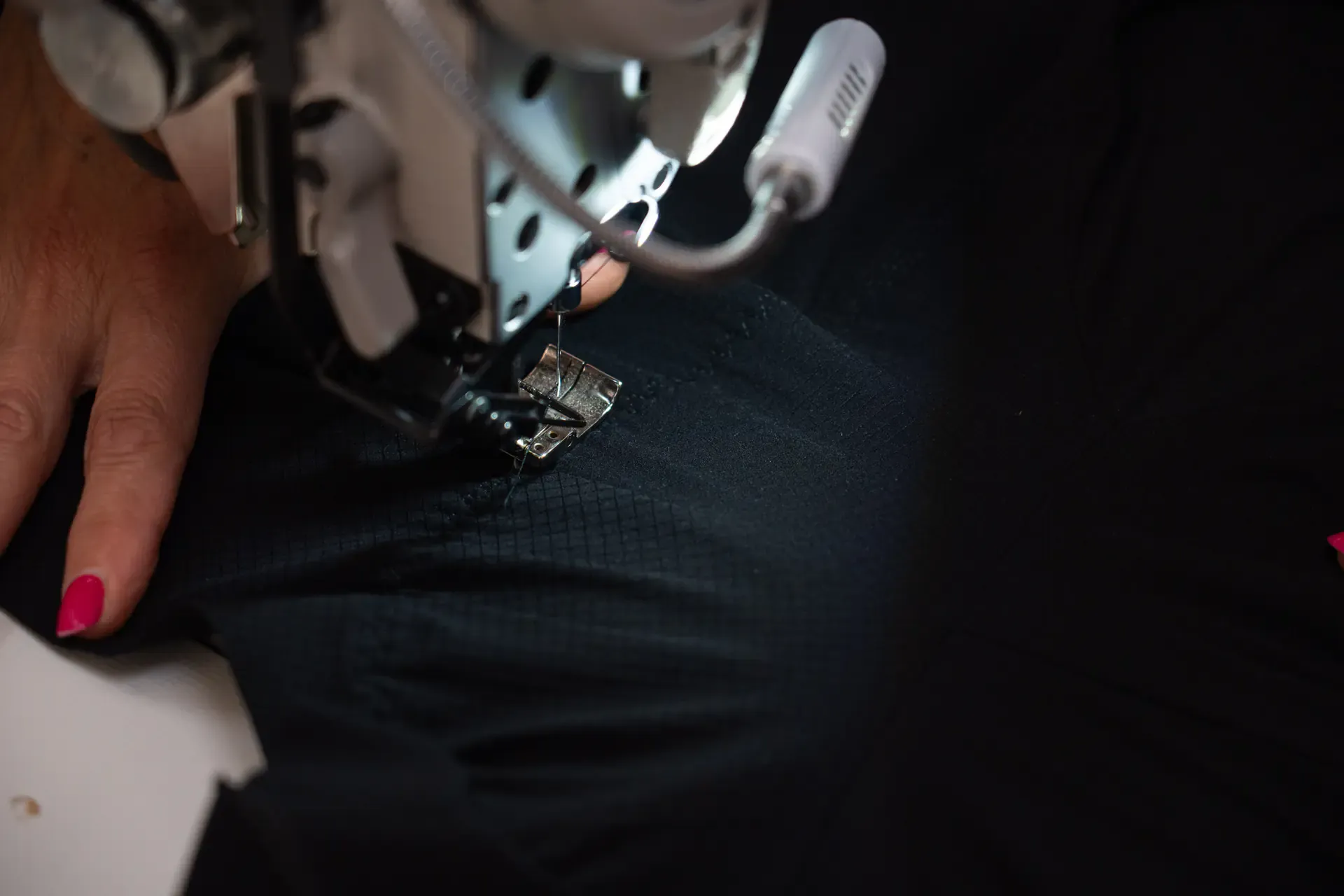
Sometimes it's a new fabric that opens up possibilities. Sometimes it's feedback from professional athletes. Sometimes it's simply observing how riders use existing products and recognising where they're compromising.
The important thing is that every idea has to solve a real problem.
5. Gravel Racing & the Opportunity of a New Category
What challenges and opportunities do you see in the rise of gravel racing and bikepacking? How do you define the category today?
Gravel is one of the most exciting areas in cycling because it's still defining itself. There are riders looking for adventure, bikepacking and exploration, but there's another side of gravel that's evolving incredibly quickly.
The front of today's biggest gravel races looks very different to what it did five years ago. The speeds are increasing, the level of competition is rising and the athletes are becoming more specialised.
That's the point where Castelli becomes relevant.
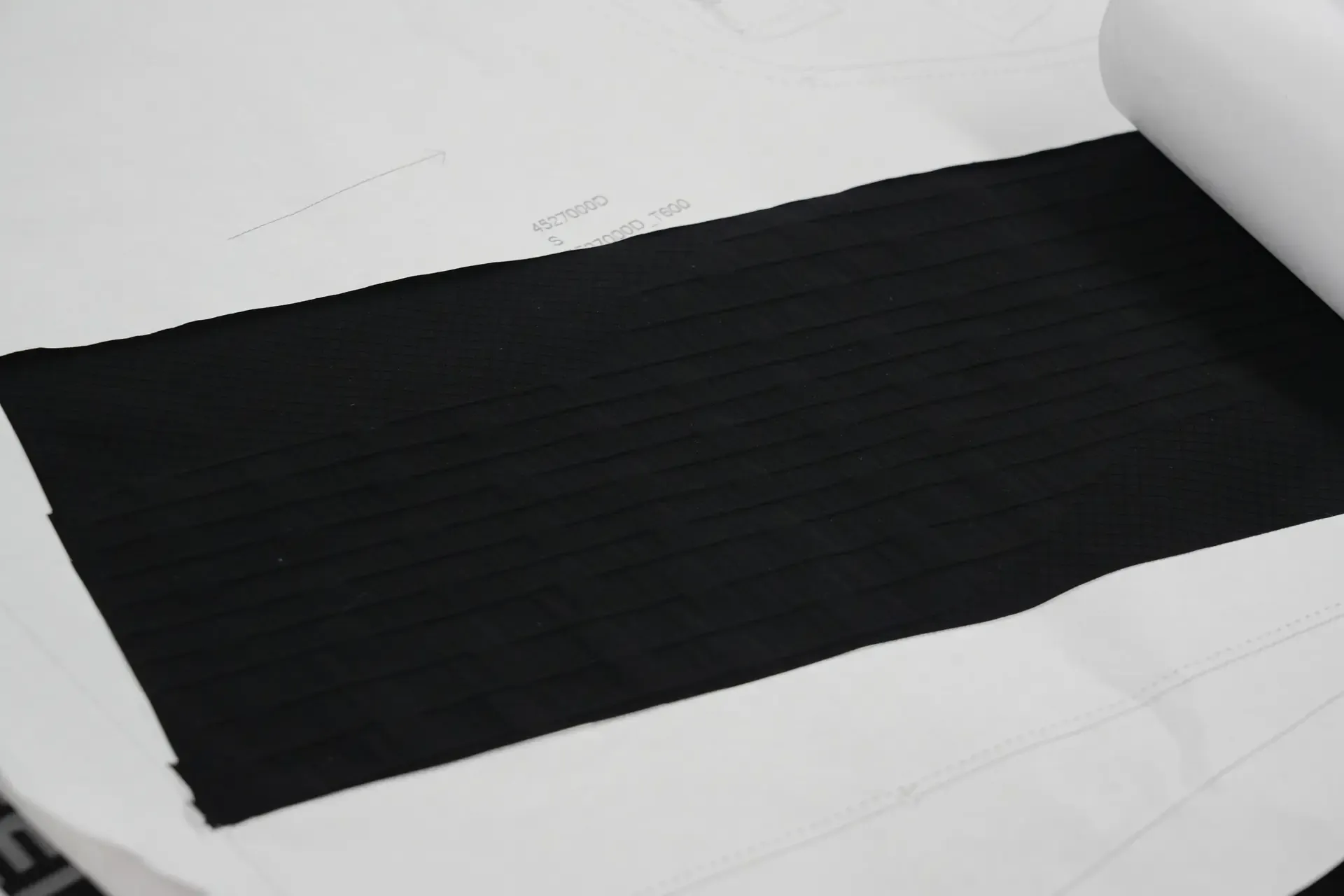
We've spent decades understanding how to make riders faster on the road through aerodynamics, fabrics and garment construction. As gravel gets faster, those same principles become increasingly valuable. The challenge isn't simply making a rider fast; it's making them fast while carrying nutrition, riding rough terrain and remaining comfortable for six or eight hours. That's where we saw a genuine opportunity to contribute something meaningful.
6. The Idea Behind the Gravel SpeedSuit
Why did Castelli feel this was the right moment to launch a gravel-specific SpeedSuit? What was the primary objective of the product?
We didn't begin with the idea of making a SpeedSuit. We began with the observation that competitive gravel riders were getting faster every season. When we saw the feed stations starting to look like Formula One pit stops, we knew that gravel was starting to talk our language.
When you watch the biggest races today, the demands placed on the rider are becoming much bigger than road racing than many people realise. That naturally led us to ask, "If we've spent decades making the fastest clothing in road cycling, what would that knowledge look like when applied to gravel?"
The Gravel SpeedSuit is our answer to that question.
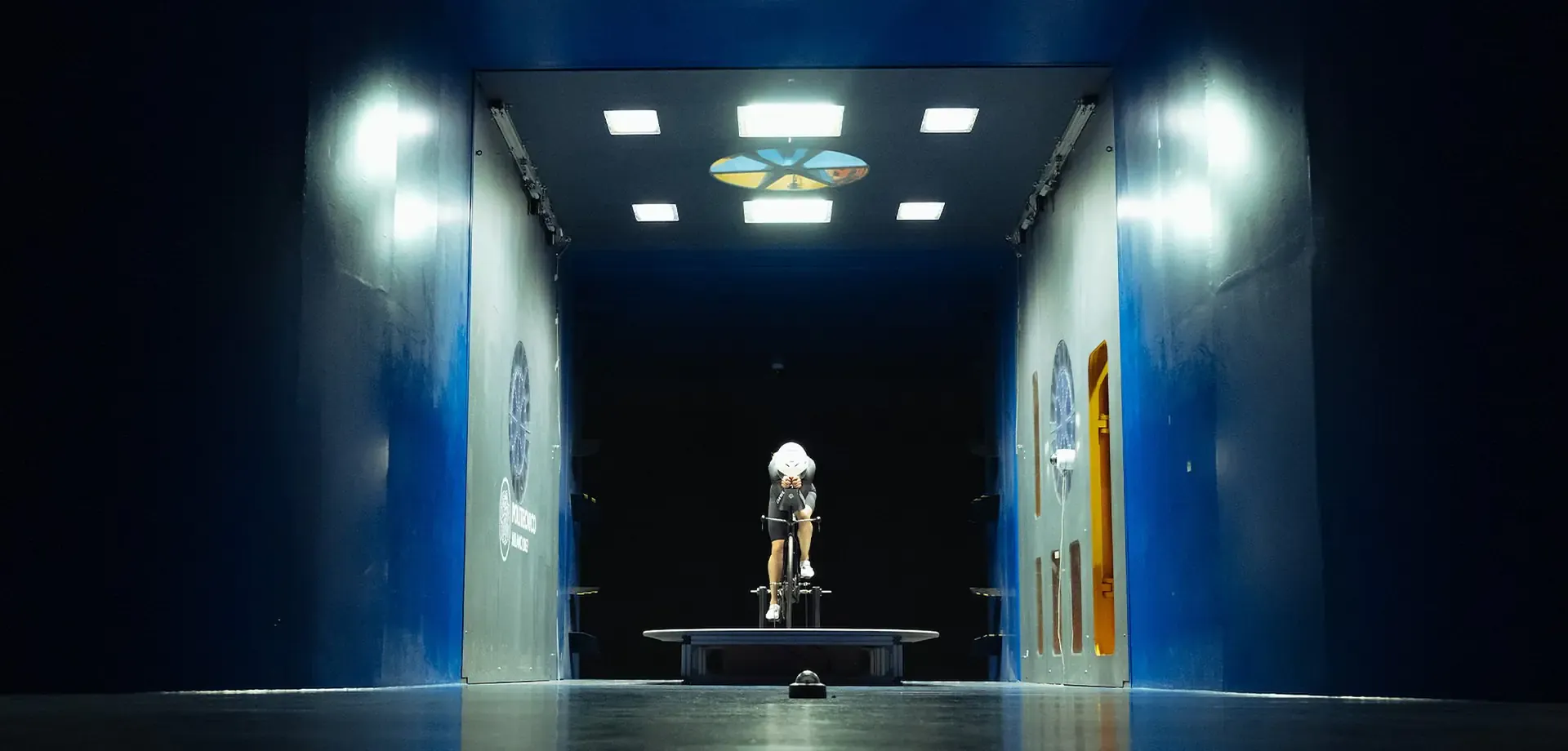
The goal wasn't simply to make a road skinsuit with pockets. We wanted to build a garment specifically around modern gravel racing. That meant combining aerodynamic efficiency with practical storage and all-day comfort.
Today's gravel races often last six, eight or even ten hours. Riders need food, equipment and layers, but they don't want to sacrifice speed to carry them. The SpeedSuit is designed for exactly that rider, the competitive gravel racer who wants every performance advantage while remaining completely self-sufficient.
7. Design, Aerodynamics & Product Development
The SpeedSuit includes some very interesting features, especially the pockets positioned on the front of the thighs rather than on the side. How did that idea come about?
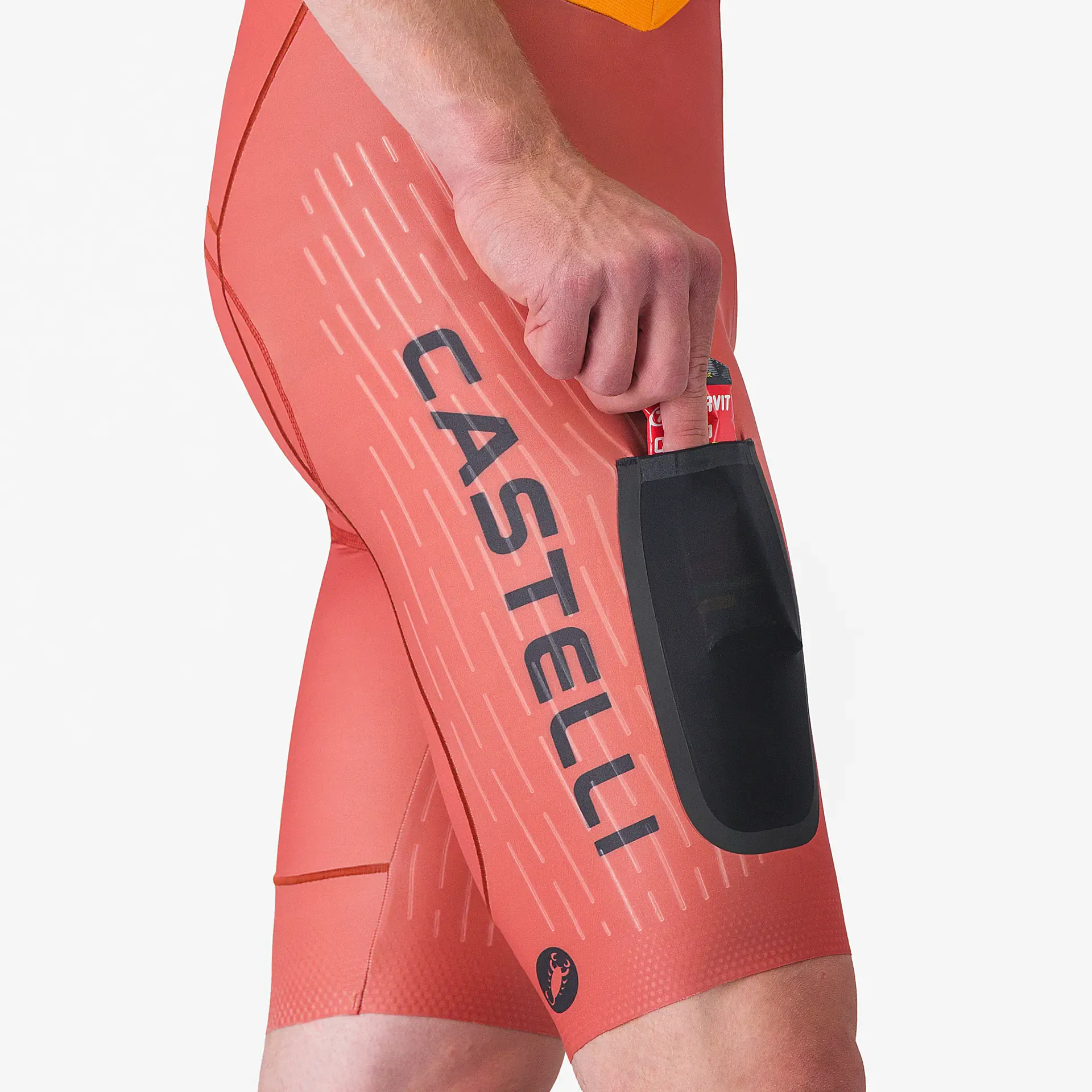
The thigh pockets are probably the best example of thinking differently. We asked ourselves where storage could sit without disturbing airflow while also being easier to access.
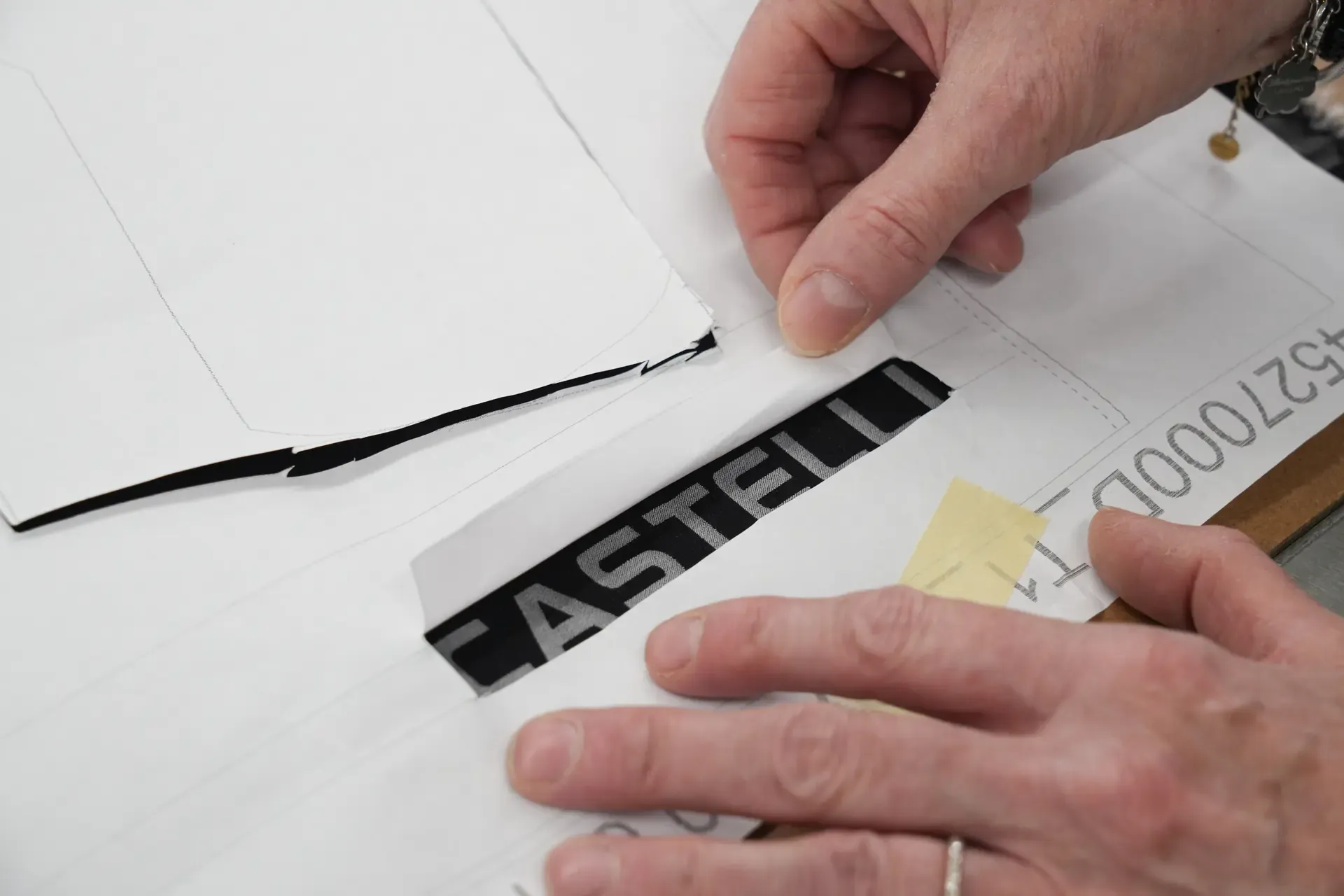
A lot of the inspiration actually came from racing crits, where you're looking for quick, simple solutions on the bike. We'd often just stuff a single gel up the gripper band of our bibs because it was the most accessible place in the moment. That made us think: there has to be a more intentional and functional way to solve that same problem. The front thigh became a very interesting solution. It keeps nutrition easily accessible, reduces interference with airflow and keeps the contents stable while riding.
What was the hardest balance to get right during development?
Throughout development, every decision came back to balancing speed, comfort and practicality.
It's easy to optimise one of those but the challenge is delivering all three simultaneously.
8. Gravel vs. Road
How does the gravel-specific SpeedSuit differ from a road racing skinsuit in terms of materials, fit, fabric placement, storage, and overall function?
The biggest difference is integration.
A road skinsuit is primarily designed around pure aerodynamic efficiency. For the team we have different suits for the different riders on the teams. For example the sprinter and his lead out train have fabrics in their suits which work at higher speeds, while the other riders in the team have fabrics in their suits which help them save energy while riding in the bunch. A gravel SpeedSuit has to perform aerodynamically while also carrying equipment, remaining comfortable over extremely long rides and coping with constantly changing terrain. We also don't need to observe certain rules in the gravel world and so we can be a lot more creative in how we push the boundaries.
That affects everything, from fabric selection and panel construction to storage placement and fit. Innovation rarely stays confined to one discipline.
9. Aero, Performance & Consumer Relevance
We often hear the phrase "aero is always on." How relevant is that idea when translating race-proven performance into products for consumers? Do you think riders are becoming more open to aerodynamic thinking in gravel?
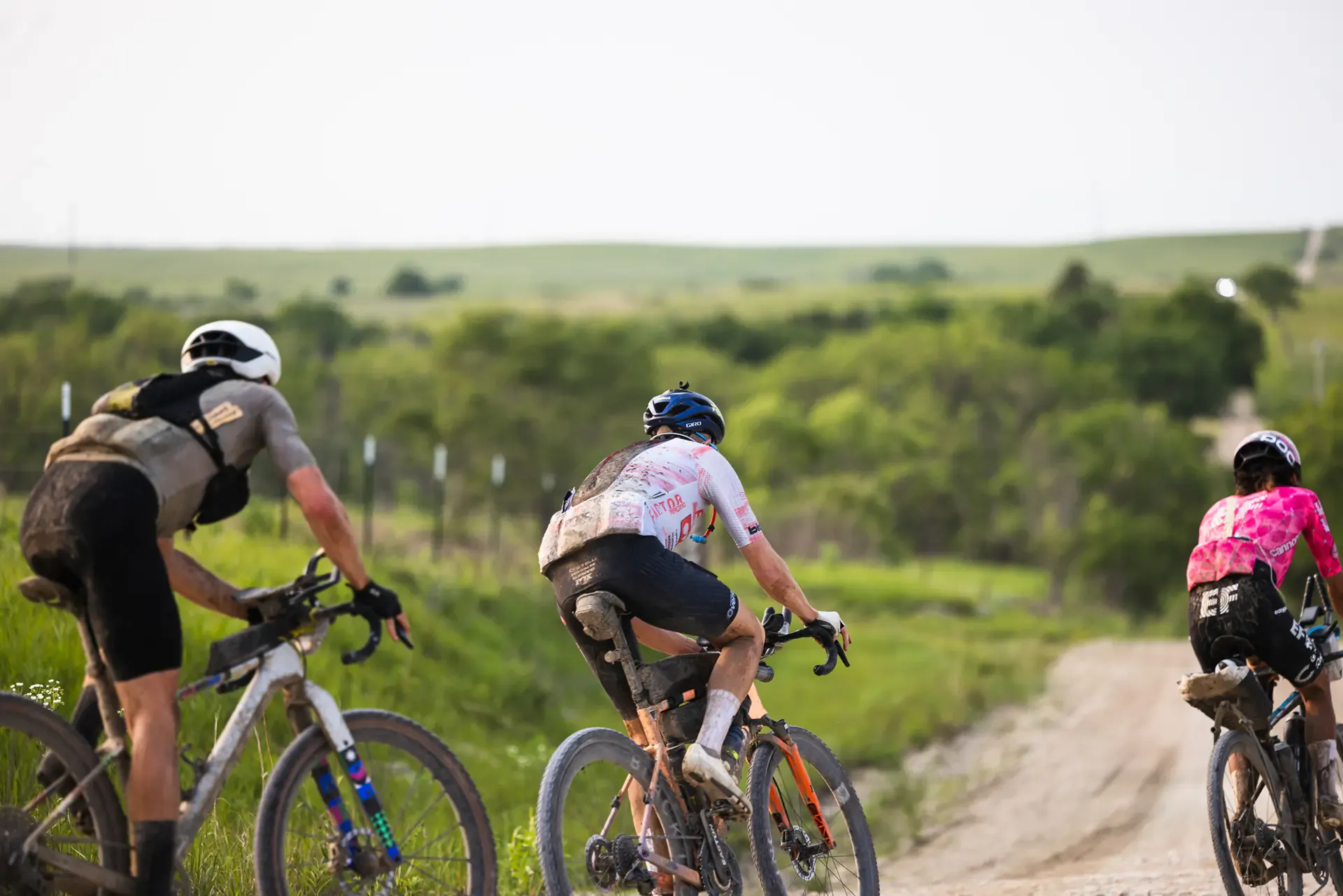
I think gravel riders are becoming much more open to performance and aerodynamic thinking because the racing itself has changed.
Five years ago, talking about aerodynamics in gravel might have felt out of place. Today, when riders are racing at speeds that continue to increase every year, it's simply another performance tool. Whether you're riding at 25 km/h or 45 km/h, aerodynamic drag is always there.
The nice thing about aerodynamic clothing is that it doesn't ask the rider to do anything differently. You simply put it on and it works.
Today the racing side of gravel is growing rapidly, and riders increasingly appreciate that speed and practicality don't have to be mutually exclusive.
10. Brand Positioning in Today's Market
How does Castelli balance innovation, performance, aesthetics, and cultural relevance? Where does Castelli define itself today within that landscape?
Performance will always come first for Castelli. Of course aesthetics matter because riders want products that look great, but we never want style to exist at the expense of function. The best products are the ones where performance actually creates the aesthetic, and that is where we believe Castelli belongs.
11. What Comes Next
Do you see any of the ideas developed for the gravel SpeedSuit influencing other products in the future? And looking ahead more broadly, what do you think will be the next real innovation in cycling clothing?
We're always working on projects that we can't quite talk about yet.
One area that's receiving a huge amount of attention is rider safety. That's something that comes directly from our professional teams. We want to see riders racing, not spending months at home rehabilitating from crashes. If there's anything we can do through apparel to help reduce the severity or impact of those crashes, then it's absolutely worth pursuing. We think that's an area with enormous potential.
Another focus is heat management. Summers are getting hotter almost everywhere in the world, and we're now seeing riders training and racing in temperatures approaching 40°C. At that point, it's no longer just about comfort, it's about physiology and rider safety. Helping riders better regulate their core temperature is becoming one of the biggest product challenges facing the industry, and it's an area where we're investing a lot of development.
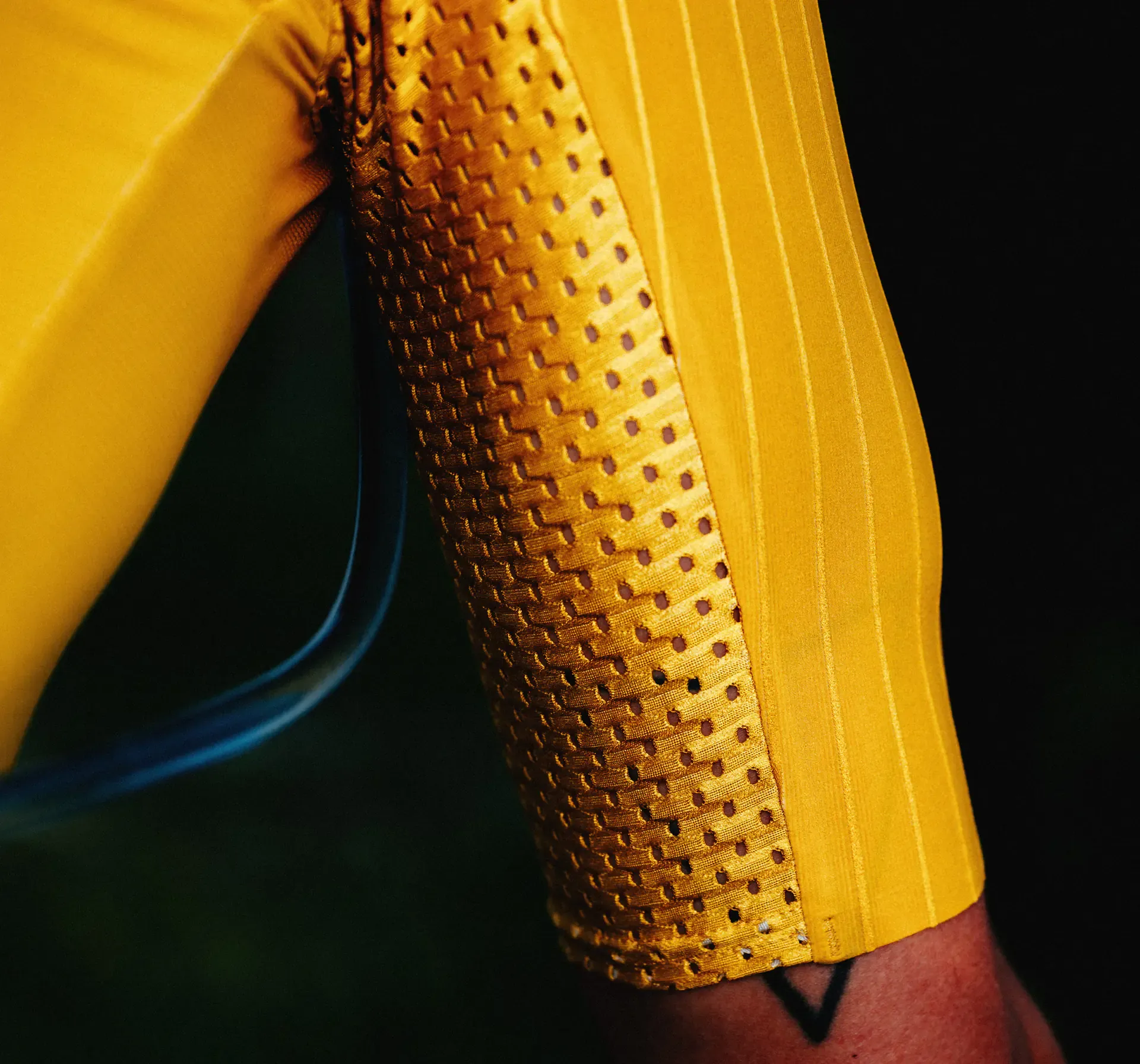
We're also only just beginning our journey with Polartec and the Aircore technology that we developed together. We genuinely believe it's a game-changing platform, and we've only scratched the surface of what's possible. You'll definitely be seeing much more from that partnership in the coming months and years.
If there's one thing that defines Castelli, it's that we're always looking for ways to provide unfair advantages. There is always another problem to solve, another second to save, another way to make the ride better. That's what keeps us moving forward.
12. Finally, What's Next for Castelli?
Cycling continues to evolve, and so do we. The exciting part is that we still feel like there are plenty of opportunities to improve what riders wear, and that's what motivates us every day.
We have a big announcement coming soon which will mark a new chapter in our 150 year history. Stay tuned.

Big thanks to Andrew for taking the time to nerd out with me on fabrics, feed stations and unfair advantages. I also want to specifically thank Harriet from Shift Active Cycling Media for arranging this interview and bringing a lot of interesting PR opportunities our way. My full review of the Gravel SpeedSuit, complete with actual sweat, actual gravel and actual snack accessibility testing, is coming very soon.
Got a brand, product or industry mystery you'd like to see covered in Ask A Pro? Send them my way. If enough of you ask, I'll do my best to track down the right person to grill about it (nicely, of course).